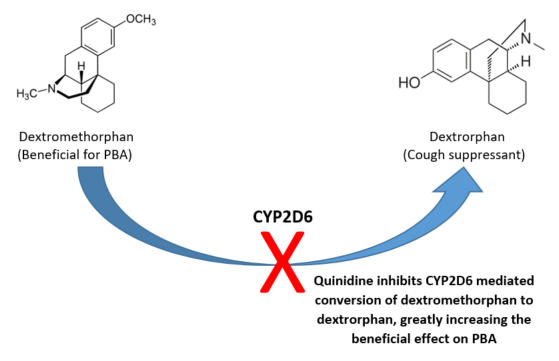
Pseudobulbar affect (PBA), also called emotional lability, is a condition of uncontrollable laughing or crying without provocation that isn’t consistent with a patient’s emotional state. PBA is most often observed in patients with neurological disorders such as amyotrophic lateral sclerosis (ALS), multiple sclerosis, Parkinson’s disease, Alzheimer’s disease, brain tumors, or as a sequela of stroke. The management of this condition includes an FDA-approved drug combo of dextromethorphan and quinidine, or Nuedexta®, which has also been used off-label for controlling agitation or aggression in Alzheimer’s dementia patients. Nuedexta® comes with a hefty price tag (AWP is $26.70 per dose) and is only available as an oral capsule, presenting potential barriers to use in hospice given capitated reimbursement rates and drug administration challenges in patients with dysphagia.
Since treatment with Nuedexta® may be cost-prohibitive and dextromethorphan (DM) is readily available as an...